NNS ELECTIONS
Membership > Election Candidates
Meet the Leaders Shaping the Future of Neurotrauma Research and Care
NNS Election Candidates
The National Neurotrauma Society (NNS) is proud to present the candidates standing for election to serve on our leadership team. Each candidate brings unique expertise, dedication, and vision to advance the mission of NNS — fostering collaboration, supporting innovation, and promoting excellence in neurotrauma research and clinical practice.
Review the candidate profiles below and cast your vote to help guide the Society’s direction and initiatives for the years ahead.
President Elect Candidates:
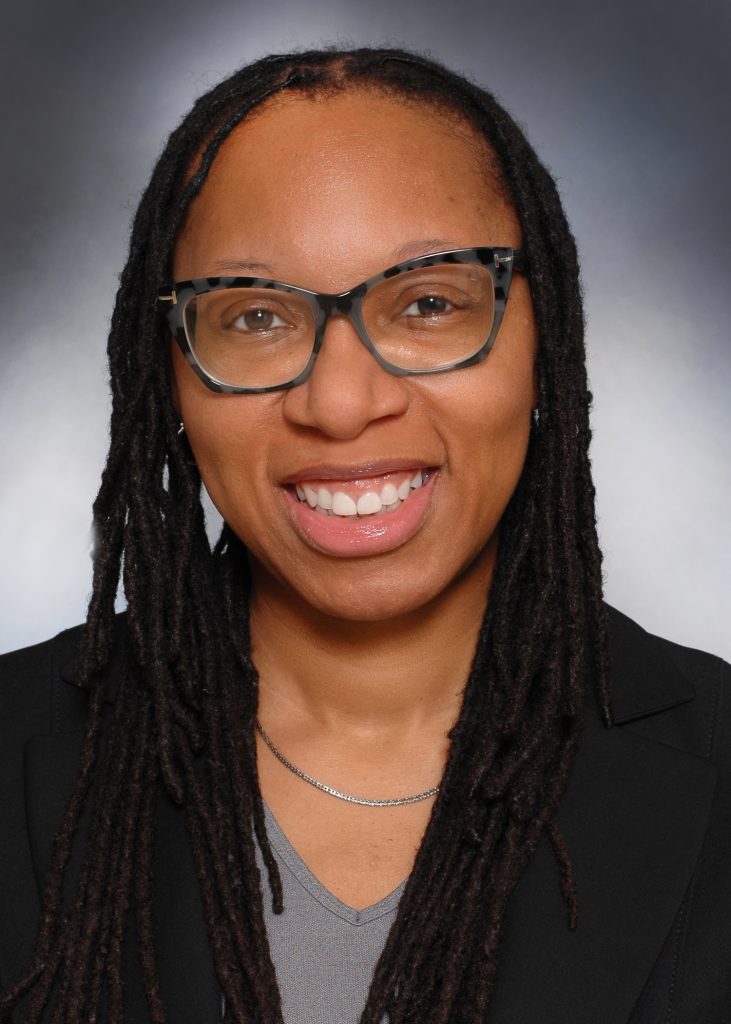
Laura B Ngwenya, MD, PhD
Laura Ngwenya, MD, PhD, is a neurosurgeon-scientist whose career is defined by advancing neurotrauma care through integration of clinical excellence, translational research, and collaborative leadership. She serves as Director of the Neurotrauma Center, Neurotrauma Fellowship Director, Vice Chair of Research, and Associate Professor of Neurosurgery at the University of Cincinnati.
Dr. Ngwenya is a national leader in traumatic brain injury (TBI) research, contributing to initiatives such as the TRACK-TBI Network and the NASEM Action Collaborative on TBI Care. She is the Principal Investigator of the Translational Neurotrauma Laboratory, which focuses on rodent models of TBI and spreading depolarizations and has maintained continuous federal funding since 2017.
In addition to her research, Dr. Ngwenya is a practicing neurosurgeon specializing in neurotrauma and has held key leadership roles in organized neurosurgery. Her service includes positions on the Executive Committee of the AANS/CNS Section on Neurotrauma and Critical Care, contributing as Communications Chair, Awards Chair, and Officer. She is the immediate past-Chair of the CSNS Neurotrauma and Emergency Neurosurgery Committee and currently serves on the World Federation of Neurosurgical Societies Neurotraumatology Committee, reflecting both national and international impact.
A dedicated member of the National Neurotrauma Society for over a decade, Dr. Ngwenya has contributed extensively as Councilor, Communications Committee member, TEAM mentor, Treasurer, and incoming Vice President. Her service reflects a consistent commitment to advancing the Society’s mission.
A graduate of the Executive Leadership in Academic Medicine (ELAM) program, Dr. Ngwenya brings strategic vision, collaborative leadership, and a clear commitment to advancing the field of neurotrauma. She is well positioned to build on the Society’s strong foundation by strengthening interdisciplinary partnerships, and expanding its impact across research, education, and advocacy. With a demonstrated record of service and leadership, she is prepared to guide the National Neurotrauma Society into its next phase of growth and is excited for the opportunity to serve effectively as its President.
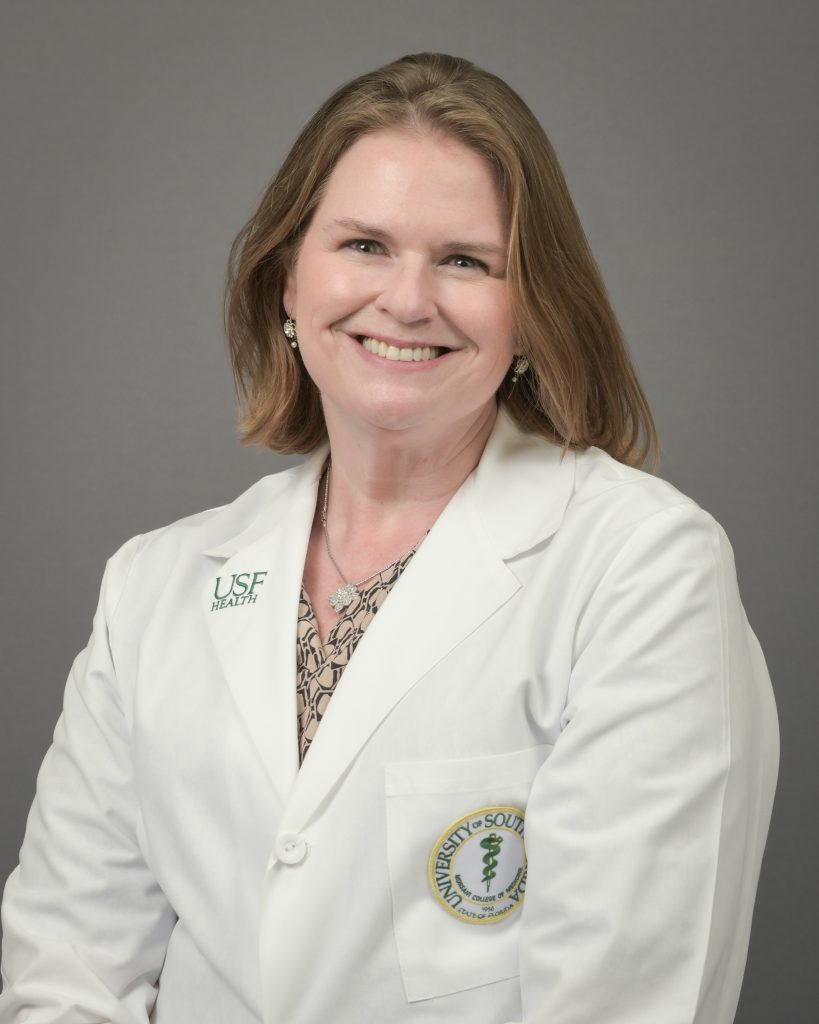
Theresa Currier Thomas, PhD
As an Associate Professor at the University of South Florida, I have dedicated more than two decades to neuroscience and neurotrauma research. My research focuses on the chronic consequences of traumatic brain injury, including neuroendocrine dysfunction, circuit reorganization, and sex differences in recovery, alongside a strong commitment to mentorship, collaboration, and advancing the neurotrauma community.
For the past 18 years, I have served in multiple leadership roles within Women in Neurotrauma (WiNTR)/Training, Education, and Mentoring (TEAM), including TEAM President (2020–2021) during its transition into an official NNS committee and inaugural TEAM Director (2021–2022). I currently serve as NNS Secretary, Chair of the Membership Committee, and Co-Chair of the TEAM Mentor:Mentee Subcommittee. These experiences have provided me with a strong understanding of the Society’s structure, operations, and long-term needs.
During COVID, I worked alongside an exceptional TEAM committee to develop and expand the TEAM Mentor:Mentee Program, now entering its sixth iteration. To date, the program has matched approximately 340 mentors and mentees across more than 100 institutions and eleven countries, enhancing community engagement, supporting professional development across multiple career stages and disciplines, and expanding international reach within neurotrauma.
As President, my vision is to strengthen NNS through expanded membership value, affordable and accessible conference participation, enhanced trainee and early-career support, stronger engagement across traumatic brain injury and spinal cord injury communities, and increased interaction among scientists, clinicians, advocacy groups, and patients. I am also committed to supporting the Society’s long-term financial stability, growth, and multidisciplinary impact.
I believe NNS serves a critical role as the multidisciplinary home for the neurotrauma community, and I would be honored to help guide its continued growth, engagement, and future direction.
Vice President Elect Candidates:
Cole Vonder Haar, PhD
I am excited to be nominated to serve as NNS Vice President. The society has been a large part of my professional development, from undergraduate to associate professor. I have been an NNS member since 2008.
I have served in several capacities, starting with the Training committee (formerly TEAM; 2020-2023) and membership committee (2021-2024). These included helping organize round tables and the SFN membership table. I currently serve as NNS Treasurer.
The annual meeting is also an important event for myself and my laboratory. I have attended 13 of the last 16 NNS meetings. Since starting my lab I have introduced 15 new trainees to the field and my lab has contributed to 31 posters at this meeting. I have organized sessions and workshops for the NNS conference.
Outside of the society, I am an Associate Professor with tenure at Ohio State University in the Department of Neuroscience. I run an NIH-, DOD-, and foundation-funded research laboratory using animal models to understand and treat chronic psychiatric-like symptoms of TBI, including impulse control problems and risky decision-making.
I have 46 career publications, in journals such as the Journal of Neurotrauma, Experimental Neurology, Neuropsychopharmacology, and Journal of Neuroscience. I also teach courses at the graduate and undergraduate level in neuroscience and statistics.
I mentor trainees at the postdoc, graduate, post-baccalaureate and undergraduate level. I have previously helped lead an R25-funded high school summer internship and currently serve on our university’s Neuroscience Graduate Program committee as well as other advisory committees.
I participate in grant reviews for the NIH, VA, and foundations. I also serve on the editorial board for Neurotrauma Reports and Open Data Commons for TBI and regularly review for J Neurotrauma and Neurotrauma Reports.
I recognize the Vice President role as one integral to both the society and the annual meeting. We are in the midst of unprecedented times for science in the US. The decline in funding rates is affecting laboratories and individuals are making difficult decisions about which meetings to attend or even whether to maintain memberships.
The goals of the society are to support science and scientists in the area of neurotrauma, especially in these trying times. As VP, my objective would be to ensure that the society is providing value and community to scientists by ensuring high quality science at the annual meeting and facilitating off-meeting interactions and collaboration.
Though we are faced with challenges, the goal of developing treatment for individuals with brain and spinal cord injury remains a critical mission for both us as researchers and for society at large. I am confident we will find ways to address overcome these challenges together as a society.
Rachel K. Rowe, PhD
🧠 Assistant Professor
🧠 University of Colorado Boulder
I am an Assistant Professor in the Department of Integrative Physiology at the University of Colorado Boulder. I completed my PhD at the University of Kentucky College of Medicine, where I trained at the Spinal Cord and Brain Injury Research Center.
I have been an active member of the National Neurotrauma Society for over 15 years and have contributed to the Society through service on the Membership Committee, Marketing and Communications Committee, Mentor-Mentee Program, Neurotrauma 5k fundraising committee, and TEAM initiative.
I have also reviewed symposium abstracts and society awards, judged posters at the Annual Meeting, served as an elected member of NNS Council, and contributed to the Program Committee.
Currently, I serve as Chair of the Local Scholars Program, where I work to expand opportunities for undergraduate students from underrepresented backgrounds to engage with NNS and the field of neurotrauma research. As a scientist from an underrepresented background myself, this mission is deeply personal and rewarding.
My own career trajectory has been profoundly shaped by the mentorship, visibility, and professional opportunities I gained through NNS as a trainee. The Society played an important role in my scientific and leadership development, helping me build connections, confidence, and a sense of community within the neurotrauma field.
Since becoming faculty, I have been deeply committed to helping trainees access those same opportunities for growth and visibility. Mentoring students and early career scientists as they develop professionally, engage with the Society, and gain recognition for their work has been one of the most rewarding aspects of my involvement with NNS.
As Chair of the Marketing and Communications Committee, I helped strengthen the Society’s outreach and visibility through the development of the new mobile-friendly website and the creation of the ‘Trainee Tuesday’ initiative to highlight trainees across NNS social media platforms.
Supporting trainees has been central to every role I have held within NNS. If elected Vice President, I will work to further elevate trainee engagement, mentorship, and leadership development within the Society.
I am passionate about helping trainees find their voices within NNS by creating meaningful opportunities for them to serve on committees, lead sessions, present their work, and become visible contributors within the field.
I also strongly believe that fostering these opportunities early is critical for developing the next generation of leaders in the broader neurotrauma field. Through mentorship, advocacy, and intentional community building, I hope to continue strengthening pathways that allow trainees to grow scientifically, professionally, and personally throughout their careers.
It would be an honor to continue serving the Society and its members in this role.
Secretary-Elect Candidates:
Amanda C. Glueck, PhD
Amanda C. Glueck, PhD, is an Associate Professor of Neurology at the University of Kentucky, in the College of Medicine. She received a Bachelor of Science in Psychology from Centre College (Danville, KY) and a Master of Science and a Doctor of Philosophy in Experimental Psychology from Texas Christian University (Fort Worth, TX).
Upon completing her doctoral training, she went on to complete a post-doctoral fellowship with the Henry M. Jackson Foundation at the Naval Medical Research Center in Silver Spring, MD, where she investigated the neurocognitive deficits and behavioral consequences of combat-related mild traumatic brain injuries.
Since joining the University of Kentucky, her research has focused on identifying and evaluating novel neurorehabilitation aids for individuals with mild cognitive impairment, with an emphasis on using commercially available extended reality technologies to improve cognition, balance, and motor function for neurotrauma and aging populations.
A committed member of the National Neurotrauma Society since 2015, Dr. Glueck has built a strong record of service to the Society through leadership, membership engagement, and committee work. She has served on the TEAM Committee since 2020, including as TEAM Director (2024–2025), contributed to the Annual Meeting Planning Committee (2024–2025), and served on the Membership Committee, supporting member engagement and Society growth.
As Treasurer-elect (2026–2027), she has continued to expand her leadership within NNS and deepen her understanding of Society operations. Dr. Glueck is honored to be considered for Secretary-elect and looks forward to supporting the Society’s membership, communications, and organizational mission.
Stephanie Robel, PhD
🧠 University of Alabama at Birmingham, Department of Cell, Developmental and Integrative Biology
I am an Associate Professor in the Department of Cell, Developmental and Integrative Biology at the University of Alabama at Birmingham, where I lead a research lab focused on the role of astrocytes in traumatic brain injury and post-traumatic epilepsy. My lab investigates how reactive astrocytes contribute to brain injury outcomes, with a particular focus on astrocyte responses to injury and their complex roles in neuroinflammation and neural repair following neurotrauma.
Beyond my research, I am deeply committed to supporting the next generation of scientists through mentorship and leadership development. I founded GLIA-Leadership, a coaching and training organization that helps academic scientists navigate the unique challenges of leading research labs and building successful careers in academia. This work has allowed me to mentor faculty across the US, Europe and Asia helping them develop the leadership skills necessary for long-term success.
My involvement with the National Neurotrauma Society has been both personally and professionally meaningful. I currently serve as Director of the TEAM (Training, Education, and Mentoring) Committee, where I work to create opportunities for junior members to connect with experienced mentors and develop their careers in neurotrauma research. I have also been an active participant in NNS executive committee discussions, contributing to conversations about society policies, awards, and initiatives that support diversity and inclusion in our field.
I am excited about the opportunity to serve as Secretary of NNS because I believe strongly in the mission of this society and the community it has built. Having benefited from the mentorship and collaboration provided by NNS TEAM, I am eager to give back by helping shape the direction of the society in ways that support all members, particularly those at earlier career stages who are navigating an increasingly challenging funding and political landscape.
Treasurer Elect Candidates:
Eve Tsai, MD, PhD
🧠 Clinician Scientist, The Ottawa Hospital Research Institute
🧠 Professor, Division of Neurosurgery, Department of Surgery, University of Ottawa
I take neurotrauma seriously, believe in transparent budgeting, and come prepared—even at 6 am!
The National Neurotrauma Society (NNS) has played a defining role in my career, beginning when I was a trainee fortunate enough to receive an NNS travel award—support that made early participation in our scientific community both possible and memorable. Those experiences fostered a lasting commitment to the Society and a desire to give back through service and leadership. I would be honored to do so as Treasurer Elect.
Over time, my involvement with NNS has evolved from beneficiary to active contributor to neurotrauma. I currently serve on several national and international scientific program committees and, as the American Association of Neurological Surgeons/Congress of Neurological Surgeons (AANS/CNS) Section on Neurotrauma representative to the NNS planning committee, I have assisted with developing symposia, securing speakers, and supporting funding and sponsorship efforts.
This work has provided hands on experience with the financial planning, coordination, and organizational judgment required to sustain a successful academic society.
My leadership experience includes multiple roles involving fiscal oversight and strategic decision making. I previously served as Secretary/Treasurer of the AANS/CNS Section on Neurotrauma and Critical Care and am the Suruchi Bhargava Chair in Spinal Cord and Brain Regeneration Research—positions that require careful stewardship of resources and long term planning.
In addition, I have served as President of Women in Neurosurgery and as the AANS/CNS Section on Neurotrauma and Critical Care Chair of Education, Chair of Resident/Fellowship Awards, and Membership Chair, giving me a comprehensive understanding of how societies thoughtfully balance financial responsibility while investing in their members, trainees, and mission.
Internationally, as an executive committee member of the World Federation of Neurosurgical Societies Section on Neurotrauma, I have worked to foster global collaboration and expand the reach of neurotrauma research and education.
My academic work includes consensus publications in traumatic brain injury and spinal cord injury, and my research focuses on translating scientific advances into clinically meaningful outcomes.
As a practicing neurosurgeon actively engaged in both clinical, basic science and translational research—and someone accustomed to transparent stewardship and careful decision making—I take seriously the responsibility of managing society resources. I would approach the Treasurer Elect role with diligence, clarity, and preparedness, regardless of the hour.
I am deeply grateful for NNS’s impact on my career and would be proud to serve the Society that has supported me throughout my professional journey.
Firas Kobeissy, PhD
🧠 Department of Neurobiology & Neuroscience Institute
Dr. Firas Kobeissy is a Professor of Neurobiology at the Morehouse School of Medicine and a leading expert in neurotrauma, with a strong focus on TBI biomarker discovery and translational neuroscience.
He serves as Associate Director of the Center for Neurotrauma, Multi-Omics, and Biomarkers (CNMB), where he leads interdisciplinary research integrating proteomics, metabolomics, and systems biology to elucidate mechanisms of brain injury and recovery.
Dr. Kobeissy obtained his Ph.D. in Neuroscience from the University of Florida, where he contributed to early efforts in biomarker discovery at Banyan Biomarker, which helped shape the field. His work has been instrumental in the identification and clinical validation of key blood-based biomarkers, including GFAP and UCH-L1, now incorporated into FDA-cleared diagnostic tools for mild TBI.
With over 300 peer-reviewed publications and multiple books, he has established a sustained record of scientific leadership and innovation. His research portfolio includes extensive funding from the National Institutes of Health (NIH), Department of Defense (DoD), and Veterans Affairs (VA), reflecting both scientific rigor and translational impact, particularly in military and veteran health.
In addition to his research, he serves as Managing Editor of the journal Brain Injury and participates in numerous national and international review panels, contributing to research prioritization and policy development.
Training & Diversity Director Elect Candidates:
Ramesh Raghupathi, PhD
It is an honor to be nominated for the Director of the TEAM committee. I have deep dedication to mentoring, a long-standing association with the National Neurotrauma Society and to translational research.
Mentoring philosophy: My most enjoyable role volunteering for NNS is as part of the Mentor-Mentee subcommittee of TEAM-NNS through which I am able to mentor the next generation of Neurotrauma scientists. I have a long track record of mentoring students and post-doctoral trainees as well as newly minted assistant professors.
As an immigrant student myself, and a person of color, I am acutely aware of the biases that the academic culture exhibits. I am deeply committed to training, mentoring and promoting inclusive and supportive scientific research environments. I have mentored undergraduate and graduate students as well as postdoctoral fellows through my roles in both the Annual Biomedical Research Conference for Minority Students as well as the Society for Neuroscience.
I am committed to supporting mentees' participation in activities required to identify and transition into careers in the biomedical research workforce that are consistent with their skills, interests, and values. My goal is to fulfil the need of the mentees to progress to the next career stage in a timely manner with the skills, credentials and experiences to transition into careers in the biomedical research workforce.
Service to the Neurotrauma Society: I have been a member of the National Neurotrauma Society since I began my post-doctoral fellowship in 1991. In that time, I attended all but 3 annual meetings. I have served as a judge for abstracts as well as for posters in almost every meeting that I attended.
I have participated in the program planning for a few meetings. More recently (since 2020), I have immersed myself in the activities of TEAM Neurotrauma, serving on multiple subcommittees, including chairing the Roundtable subcommittee. I planned and moderated two Roundtables in 2023 (one for career choices for PhDs and other for the importance of public outreach and advocacy).
I am currently the chair of the ViSA Award subcommittee. I bring to NNS my years of experience serving in leadership roles at the various committees for the Society for Neuroscience, from global membership to public education and communication and professional development.
Andrea Schneider, MD, PhD
🧠 University of Pennsylvania
Andrea Schneider, MD, PhD is an Associate Professor of Neurology in the Division of Neurocritical Care with a secondary appointment in the Department of Biostatistics, Epidemiology, and Informatics at the University of Pennsylvania Perelman School of Medicine. She received her MD in 2014 from the Johns Hopkins University School of Medicine and received her PhD in Epidemiology from the Johns Hopkins University Bloomberg School of Public Health in 2012. She completed Neurology Residency and Neurocritical Care Fellowship at Johns Hopkins Hospital in 2020.
She is a neuroepidemiologist who has authored over 165 peer-reviewed publications. Her research program is centered on traumatic brain injury (TBI) epidemiology and the prevention of TBI-related sequelae, with a focus on the prevention of TBI-related neurodegeneration and dementia. Dr. Schneider is the PI of a NINDS K23 grant, three Department of Defense grants, and leads the Data Core for the multi-center Collaborative Neuropathology Network Characterizing Outcomes of TBI (CONNECT-TBI) and Transdisciplinary Research Accelerating Neuropathology Studies and Facilitating Open Research Methods in TBI (TRANSFORM-TBI) Studies. Dr. Schneider serves as the Associate Editor for Methodology and Statistics at Neurology and helped to develop an editorial board training program for trainees/early-career faculty. She also currently serves as Co-Chair of the International Initiative for TBI Research (InTBIR) Early-to-Mid Career Working group.
She is the recipient of the 2023 Derek Denny-Brown Young Neurological Scholar Award in Clinical Science from the American Neurological Association and the 2023 Rising Star Award from the National Neurotrauma Society. She additionally was the post-doctoral fellowship mentor for the 2023 WiNTR Visa Award recipient from the National Neurotrauma Society. Within the National Neurotrauma Society, Dr. Schneider is currently an elected Councilor and has been a member of the Advocacy and the TEAM Networking Event Planning committees. She additionally participates in the TEAM/NNS Mentor-Mentee Program and serves as an abstract reviewer for the annual meeting.
Dr. Schneider’s passion for mentoring motivates her seeking the role of the Chair of the Training, Education and Mentoring (TEAM) Committee. In addition to her current and prior service to the National Neurotrauma Society, she brings experience developing training programs and curricula focused on general career-related topics (e.g., applying to graduate school, applying for post-doctoral fellowships, applying for jobs), grant writing, and research methods and study design/analyses. She envisions both continuing the success of the existing TEAM programs and growing TEAM to incorporate monthly webinars on topics that are of broad interest across all training and career levels in order to maintain engagement and networking opportunities over the entire year.
Council Members Candidates:
Audrey Lefrenaye, PhD
🧠 Virginia Commonwealth University
Dr. Lafrenaye is an Associate Professor in the department of Neuroscience and Anatomy at Virginia Commonwealth University. Her lab focuses on exploring the diffuse glial and neuronal pathologies, alterations in glia-neuronal interactions, and corresponding morbidity associated with traumatic brain injury. Her lab also explores how secondary insults, including elevations in intracranial pressure or opioid exposure, impact diffuse TBI-induced pathologies. These studies utilize in vivo models of both rat and pig central fluid percussion injury paired with physiological monitoring and/or manipulation followed by behavioral, microscopic, and molecular assessments and have precipitated multiple NIH funded grants. She also has multiple years of formal teaching experience in histology and gross anatomy.
Audrey has been highly involved in the National Neurotrauma Society, since joining the society in 2011, with particular invovlement in the membership and TEAM committees. She has served as TEAM director, Secretary, and co-chair of the programing committee for NNS 2025 and is excited to continue working as a member of the NNS council.
Ava Puccio, RN, PhD
Ava M. Puccio, RN, PhD, is an Associate Professor and Co-Director of the Neurotrauma Clinical Trials Center in the Department of Neurosurgery at the University of Pittsburgh.
Dr. Puccio received her Bachelor of Science in Neuroscience and Nursing as well as her doctoral degree from the University of Pittsburgh. Her dissertation examined focusing on brain oxygenation and oxidative stress biomarkers.
She has continued this translational work in the severe traumatic brain injury (TBI) population having an instrumental role in the current Phase 3 clinical trial, ‘Brain Oxygenation Optimization in Severe TBI Phase 3 (BOOST3)’ study, comparing intracranial pressure (ICP) monitoring only to ICP and brain oxygenation therapies. She has over 25+ years of clinical trial design, involvement and management, with several completed and ongoing traumatic brain and spine injury research studies.
As an early adopter of team science, Dr. Puccio has been involved in the Transforming Research and Clinical Knowledge in TBI (TRACK-TBI) network since its inception and is the PI of the biorepository. She is also instrumental in multiple collaborative initiatives in biomarker exploration and validation within TRACK-TBI, BioBOOST, BioHOBIT and others.
Dr. Puccio’s specialized areas of interest are focused on improving outcomes in traumatic brain injury and spinal cord injury patients, with clinical venues of controlled normothermia, mechanisms of brain oxygenation and exploring biomarker and genetic expression.
Dr. Puccio has been a member of the National Neurotrauma Society for over 20 years and has assisted in abstract judging for these years of involvement. She has also been active within Women in Neurotrauma (WINTR), now TEAM, and served as the Treasurer.
Dr. Puccio has leadership positions in TRACK-TBI, Neurocritical Care Society and is a reviewer for the NIH, Department of War and several foundations. She is involved in many working groups including the NINDS Common Data Element (CDE) Working Group TBI.
Berje H Shammassian MD MPH FAANS
🧠 University of Pennsylvania Perelman School of Medicine
Berje Shammassian is a neurosurgeon and neuro-intensivist at the University of Pennsylvania Perelman School of Medicine. He is the former Director of Neurotrauma at Louisiana State University – New Orleans.
Berje has held various positions within professional societies including within the American Association of Neurological Surgeons/Congress of Neurological Surgeons Joint Section of Neurotrauma, the Eastern Association for the Surgery of Trauma, The Association of Academic Surgery, and the Neurocritical Care Society. He has also served as an Unaffiliated Neurotrauma Consultant for the National Football League.
He has been involved with the National Neurotrauma Society since 2022 and has actively participated in the organization and delivery of opening-day activities at the annual meeting. He has also served on the scientific program committee for the NNS.
Berje is passionate about the multidisciplinary relationships that are fostered within the NNS. His goal is to help promote the growth and adaptation of the organization as the needs, demands, and challenges of its members evolve.
Dylan McCreedy, PhD
🧠 Department of Biology, Texas A&M University
I am honored to be considered for the NNS Council. I received my B.S. from the University of Utah and my Ph.D. from Washington University in St. Louis.
During my postdoctoral research at UCSF and the Gladstone Institutes, I focused on mechanisms of inflammation-mediated secondary tissue damage after spinal cord injury and was supported by an NIH NRSA F32 fellowship from NINDS.
In 2019, I joined the Department of Biology at Texas A&M University as an Assistant Professor and as a TIRR Foundation Faculty Fellow and member of the Texas A&M Spinal Cord Initiative (TAMSCI).
My lab’s research currently focuses on the role of acute inflammation in tissue damage and wound healing after spinal cord injury and has been funded by the NIH, Department of Defense, Craig H. Neilsen Foundation, Mission Connect, Chan Zuckerberg Initiative, and Research Cooperation for Scientific Advancement.
I have been a regular participant in the NNS annual symposium for over a decade. I previously served on the NNS marketing and communication committee and I currently serve on the NNS symposium planning committee.
My lab has actively participated in the Local Scholars Program during the NNS symposium and has worked with TEAM to present a session on trainee retention in the neurotrauma research field.
I have proudly graduated four Ph.D. and 3 M.S. students from my lab, many of whom have received prestigious research fellowships and presentation awards (including the top overall poster award at the NNS symposium!).
I am also an advocate of undergraduate research mentoring and have been fortunate to mentor over forty amazing undergraduate researchers in my lab so far.
In addition, I currently serve as an editorial board member for the Online Data Commons for Spinal Cord Injury (ODC-SCI) and as the Vice-Director of TAMSCI.
Gene Gurkoff, PhD
🧠 University of California, Davis, Department of Neurological Surgery
Dr. Gurkoff received his B.S. in neuroscience from Brown University in 1998, his Ph.D. from UCLA in 2006, joined the faculty at the University of California Davis in 2012, and is Professor and Vice Chair for Research in the Department of Neurological Surgery.
Dr. Gurkoff’s current research focuses on how traumatic brain injury leads to alterations in brain connectivity and cognitive dysfunction in the weeks following injury and whether modulating neural activity, either electrically or chemically, can entrain injured networks and improve outcome.
This year represents the 25th consecutive National Neurotrauma Symposium attended by Dr. Gurkoff and the 13th where his trainees have been able to present. Dr. Gurkoff has been an active participant at the Symposium including being a regular presenter, and participant in WiNTR/TEAM, as well as the advocacy and program committees.
In addition to serving as President of the Society (2024-2025) Dr. Gurkoff has also served as Treasurer, twice as Program Committee Co-Chair, Chair of TEAM, and as a Councilor. He is committed to career development including regular participation in the Local Scholars and Mentor:Mentee programs.
The National Neurotrauma Society has provided so many opportunities for Dr. Gurkoff at each stage of his career and he is always excited for the opportunity to give back.
Isobel A. Scarisbrick, PhD
🧠 Mayo Clinic
Dr. Isobel Scarisbrick is Director of the Mayo Clinic Neural Regeneration and Rehabilitation Laboratory and Professor of Physical Medicine and Rehabilitation and Physiology at Mayo Clinic. She received her Ph.D. from the University of California, Irvine.
Her research is focused on identifying novel therapeutic targets to promote repair in the injured and diseased central nervous system. Her work has led to fundamental discoveries defining roles for serine proteases and protease-activated receptors in neural repair, including their involvement in stem cell expansion, lipid and cholesterol metabolism, synaptic plasticity, and myelin regeneration. These contributions have resulted in ten issued patents and extensive publication in leading neuroscience journals.
Dr. Scarisbrick’s research program has been continuously funded by federal, private, and nonprofit organizations, including the National Institutes of Health, National Multiple Sclerosis Society, Neilsen Foundation, Christopher & Dana Reeve Foundation, Get Up Stand Up to Cure Paralysis, the Minnesota Spinal Cord Injury and Traumatic Brain Injury Research Program, and Regenerative Medicine Minnesota.
She is internationally recognized for her contributions to understanding mechanisms of neuroinflammation and neurodegeneration and for advancing strategies to overcome these barriers to enhance neural regeneration. Her work has been honored with numerous awards, including the C.P. Leblond Research Award, Genentech Research Award, Weil Award in Experimental Neuropathology, TRoHNS Award from ASIA, Mayo Clinic Neurology Basic Science Research Award, E.K. Frey–E. Werle and Henner Graeff Promotion Prize, and the 2024 Rising Star Award from the Mayo Clinic Center for Biomedical Discovery.
In addition to her research program, Dr. Scarisbrick is committed to training and community building. She built and served as Program Director for a new PhD Program in Regenerative Sciences at the Mayo Graduate School of Biomedical Sciences. She is currently Co-Director of an NIH funded Regenerative Neuroscience Scholars Program and is a recipient of the Teacher of the Year Award from the Mayo Clinic School of Health Sciences.
She has been an active member of the National Neurotrauma Society, organizing symposia for national and international meetings and currently serving as Co-Chair of the Program Committee for the 2026 meeting.
Dr. Scarisbrick is dedicated to advancing the mission of the National Neurotrauma Society and seeks to contribute to the NNS Council by supporting scientific exchange, fostering collaboration, and helping shape future directions that accelerate progress in regenerative medicine for spinal cord and traumatic brain injury.
Michael McCrea, PhD
🧠 Vice Chair of Research
🧠 Director, Center for Neurotrauma Research (CNTR)
🧠 Department of Neurosurgery
🧠 Medical College of Wisconsin
🧠 Director, Clinical Neuroscience Research Center (CNRC)
🧠 Wisconsin Institute of Neuroscience (WINS)
Dr. McCrea is the Shekar N. Kurpad, MD, PhD Professor and Endowed Chair in the Department of Neurosurgery at the Medical College of Wisconsin (MCW), where he also serves as Vice Chair of Research and Co-Director for the MCW Center for Neurotrauma Research (CNTR).
He is Director of the Clinical Neuroscience Research Center (CNRC) at the Wisconsin Institute of Neuroscience (WINS) and has an appointment as a research neuropsychologist at the Clement Zablocki VA Medical Center in Milwaukee, Wisconsin.
Dr. McCrea earned his doctoral degree from the University of Wisconsin-Milwaukee, then completed his internship training in neuropsychology at Vanderbilt University School of Medicine, followed by a postdoctoral fellowship in clinical neuropsychology at Northwestern University Medical School.
Dr. McCrea is ABCN board-certified in clinical neuropsychology. He is past President of the American Academy of Clinical Neuropsychology (AACN) and past President of the American Psychological Association’s Society for Clinical Neuropsychology (SCN).
Dr. McCrea has been an active researcher in the neurosciences, with over 400 peer-reviewed scientific publications, and hundreds of national and international lectures on traumatic brain injury.
He authored the text Mild Traumatic Brain Injury and Postconcussion Syndrome: The New Evidence Base for Diagnosis and Treatment published by Oxford University Press.
Dr. McCrea has led several large, multi-center studies on the effects of traumatic brain injury and concussion. He currently is co-PI on the NCAA-DoD CARE Consortium studying TBI in athletes and military service members and is a key investigator for the TRACK-TBI Network conducting multi-center clinical trials in TBI.
He has served on several national and international expert panels related to research and clinical care for TBI over the past two decades, including the National Academies of Science, Engineering and Medicine (NASEM) Committee on Accelerating Progress in TBI Care and Research. He was on the Steering Committee for the National Institute of Neurological Disorders and Stroke (NINDS) initiative on TBI Classification and Nomenclature.
Dr. McCrea is also a neuropsychology consultant for the Green Bay Packers, Milwaukee Brewers, and Milwaukee Bucks.
Shaun W. Carlson, PhD
🧠 Assistant Professor
🧠 University of Pittsburgh
Shaun Carlson, PhD, is an Assistant Professor of Neurological Surgery and Executive Director of the Safar Center for Resuscitation Research at the University of Pittsburgh.
Since joining in 2008, Dr. Carlson has been a member of the National Neurotrauma Society throughout his career, beginning as a graduate student at the Spinal Cord and Brain Injury Research Center at the University of Kentucky.
His research focuses on understanding synaptic mechanisms that contribute to functional impairments and the development of therapeutic strategies to promote recovery following brain injuries.
Having served on both the TEAM and Membership Committees for numerous years, he has direct experience in enhancing training resources and helping amplify the society’s reach towards accomplishing the mission of promoting excellence in preclinical and clinical research.
With nearly two decades of dedication to the National Neurotrauma Society, Dr. Carlson is honored to be considered for a Councilor position and the opportunity to help support the continued growth of the society.
If elected to Council, Dr. Carlson is eager to leverage his experience to provide strategic guidance, ensuring the National Neurotrauma Society remains the global leader in neurotrauma research, education, and professional development towards the central goal of improving patient care after neurotrauma.